Why Preventive Auto Maintenance Is the Key to Long Vehicle Life & Avoid Costly Repairs
Most vehicle owners only visit a repair shop when something breaks but by that time, the damage is often already expensive. The reality is that modern vehicles are designed to perform reliably for years only when they receive consistent preventive maintenance. At A&O Automotive, we focus on helping drivers avoid breakdowns, reduce repair costs, and extend vehicle lifespan through proactive care and professional inspections.
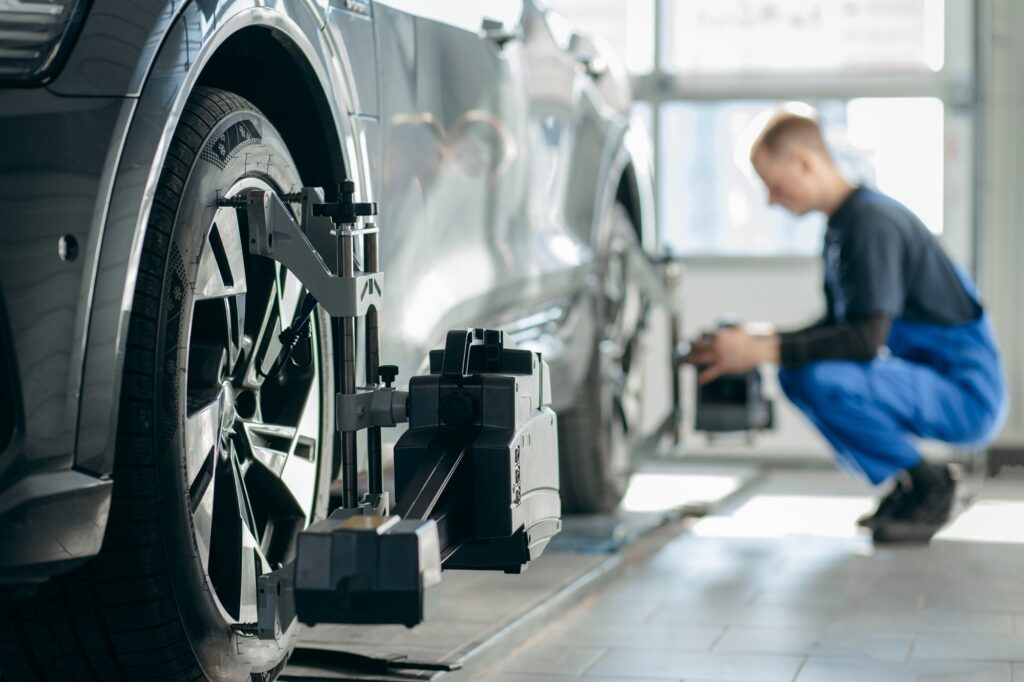
Preventive maintenance is not just routine service it is a strategic approach to protecting your engine, safety systems, and overall driving performance.
What Is Preventive Auto Maintenance?
Preventive maintenance refers to regularly scheduled inspections and servicing performed before mechanical problems occur. Instead of reacting to breakdowns, your vehicle is continuously monitored and maintained to ensure every system operates within safe limits.
This includes inspection and servicing of:
- Engine oil and filter systems
- Brake components
- Battery and charging systems
- Tires and wheel alignment
- Suspension and steering components
- Air conditioning systems
- Engine performance diagnostics
By addressing wear and tear early, you significantly reduce the risk of major mechanical failures.
Why Preventive Maintenance Saves You Money
Ignoring minor issues is one of the most expensive mistakes a vehicle owner can make. Small problems escalate quickly when left unresolved.
For example:
- Dirty engine oil leads to internal engine wear
- Worn brake pads damage rotors
- Poor alignment causes premature tire replacement
- Weak batteries can damage alternators
- Suspension issues increase stress on steering components
Preventive maintenance helps avoid these costly repairs by identifying issues early. At A&O Automotive, we focus on early diagnostics to keep repair costs low and vehicle performance high.
Key Vehicle Systems That Require Regular Maintenance
Proper vehicle performance depends on several interconnected systems working efficiently. Regular maintenance of these systems not only improves safety and comfort but also helps prevent costly breakdowns and extends the overall lifespan of your vehicle.
Engine & Oil System
The engine is the heart of your vehicle, and engine oil plays a vital role in keeping it protected. Clean engine oil lubricates internal components, reduces friction, and helps regulate engine temperature. Over time, oil breaks down and collects dirt and debris, which can lead to increased wear, overheating, and reduced performance. Regular oil changes and engine inspections are essential to maintain efficiency, fuel economy, and long-term engine health.
Brake System
Your braking system is one of the most important safety components in your vehicle. It includes brake pads, rotors, calipers, and hydraulic fluid all of which must work together effectively. Worn brake pads or low brake fluid can reduce stopping power and increase accident risk. Routine brake inspections ensure responsive braking, consistent performance, and safe driving in all road conditions.
Tires & Wheel Alignment
Tires are the only contact point between your vehicle and the road, making them critical for safety and control. Proper tire pressure, tread depth, and regular rotation help maintain traction and improve fuel efficiency. Wheel alignment ensures your tires wear evenly and your vehicle drives straight without pulling to one side. Poor alignment can lead to premature tire wear and reduced handling stability.
Suspension System
The suspension system is responsible for absorbing road shocks and maintaining vehicle stability. It includes components such as shocks, struts, springs, and control arms. A worn suspension system can cause poor handling, uneven tire wear, and an uncomfortable ride. Regular inspection ensures better steering control, improved ride comfort, and enhanced safety especially on rough or uneven roads.
Battery & Electrical System
The battery and electrical system power essential vehicle functions such as starting the engine, lighting, and onboard electronics. Weak batteries, corroded terminals, or failing alternators can lead to unexpected breakdowns. Routine testing helps ensure reliable starting power and prevents electrical failures that may affect multiple vehicle systems.
AC System
Your air conditioning system is essential for comfort and safe driving in extreme weather conditions. It relies on components such as the compressor, refrigerant, condenser, and evaporator to regulate cabin temperature. Low refrigerant levels, leaks, or compressor issues can reduce cooling efficiency. Regular AC maintenance ensures consistent airflow, proper cooling performance, and prevents expensive component damage over time.
Warning Signs You Should Never Ignore
Early detection is the key to preventing expensive repairs. You should always get your vehicle inspected if you notice:
- Engine warning light
- Reduced fuel efficiency
- Strange noises or vibrations
- Difficulty starting the engine
- Poor braking response
- Uneven tire wear
- Weak air conditioning performance
These symptoms often indicate developing issues that can be resolved quickly if addressed early.
The Long-Term Benefits of Preventive Maintenance
Regular maintenance provides long-term advantages such as:
- Extended vehicle lifespan
- Improved fuel economy
- Increased safety and reliability
- Lower repair costs over time
- Better resale value
Preventive care is always more affordable than emergency repairs.
FAQs – Preventive Auto Maintenance
1. What is preventive auto maintenance?
Preventive auto maintenance is regular servicing and inspections done to identify and fix small issues before they become major and expensive vehicle problems.
2. How often should I get preventive maintenance done?
Most vehicles should follow a maintenance schedule every 5,000 to 7,500 miles, depending on driving conditions and manufacturer recommendations.
3. What services are included in preventive maintenance?
It includes oil changes, brake inspection, tire rotation, alignment, battery testing, suspension checks, AC inspection, and engine diagnostics.
4. Why is preventive maintenance better than repairs?
Preventive maintenance helps avoid breakdowns, reduces repair costs, improves safety, and extends the overall lifespan of your vehicle.
5. Where can I get professional preventive maintenance?
You can visit A&O Automotive (903-419-2356) for expert preventive maintenance, diagnostics, and full-service auto care.
Preventive auto maintenance is the most effective way to protect your investment and ensure long-term vehicle performance. Instead of waiting for problems to occur, proactive care keeps your vehicle safe, efficient, and reliable.
For expert maintenance, diagnostics, and full-service auto care, trust A&O Automotive.