What to Consider Before Upgrading to Larger Wheels and Tires
Upgrading to larger wheels and tires can completely change the look and feel of your truck or SUV. Many drivers want a stronger stance, better ground clearance, or a more aggressive appearance. Bigger wheels and tires can deliver that. But before you move forward, you need to understand how the change affects performance, ride quality, and long-term reliability.
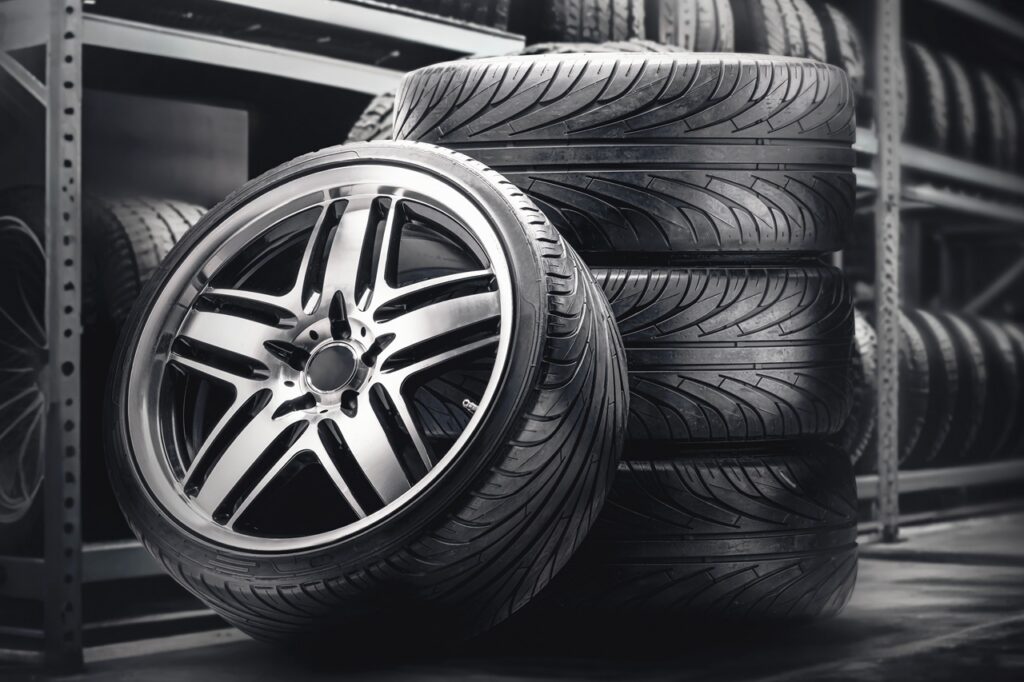
This guide walks you through what really matters before upgrading. If you drive in Pottsboro, Denison, Sherman, or anywhere nearby, these points will help you make the right choice for your vehicle and your daily driving needs.
Why Drivers Upgrade to Larger Wheels and Tires
People upgrade for different reasons:
- Better appearance
- Improved off-road capability
- More ground clearance
- Wider footprint for traction
- A stronger overall presence
There is nothing wrong with wanting your truck or SUV to stand out. The key is making sure the upgrade works with your vehicle, not against it.
Wheel Size vs Tire Size: Know the Difference
When people say they want bigger wheels and tires, they often mean two separate things. Wheels refer to the metal rim. Tires wrap around the wheel.
You can increase wheel size while decreasing tire sidewall height. Or you can increase tire size without changing wheel diameter. Each option affects ride comfort, handling, and clearance differently.
For example:
- Larger wheels with thin sidewalls create a sharper look but may reduce ride comfort.
- Taller tires increase sidewall height and may improve off-road performance.
Understanding this balance helps you avoid regrets after installation.
Check Clearance First
Clearance is one of the biggest factors.
Larger tires take up more space inside the wheel well. If there is not enough room, the tires may rub against:
- Fenders
- Inner liners
- Suspension components
- Frame parts
Rubbing can damage tires and create steering problems. Before upgrading, measure the available space and consider whether you need a leveling kit or lift kit. Even small increases in tire size can create fitment issues if you do not plan carefully.
Consider Your Suspension Setup
Your suspension supports the weight of your vehicle and keeps it stable. Larger wheels and tires add weight.
Extra weight can affect:
- Ride comfort
- Steering response
- Brake performance
- Fuel efficiency
If you plan to go significantly larger, you may need suspension upgrades to support the change. Stronger components help maintain safe handling and long-term durability. If you already have a lift or leveling kit, confirm that your current setup can handle the new tire size.
Think About Your Driving Habits
How you use your vehicle matters.
If you drive mostly on highways, you may prefer all-terrain tires that balance comfort and traction. If you go off-road regularly, you might want mud-terrain tires with deeper tread patterns. If you drive daily in town and park in tight spaces, very wide tires may feel less practical.
Ask yourself:
- Do I tow often?
- Do I drive long highway distances?
- Do I use this vehicle for work?
- Do I want better off-road capability?
Your answers guide the right size and tread choice.
Understand Wheel Offset and Fitment
Wheel offset affects how far the wheel sits inward or outward.
Too much outward extension can:
- Increase stress on suspension components
- Cause rubbing
- Change steering feel
Too much inward positioning can hit brake components. Fitment needs to match your vehicle’s specifications. A professional installation ensures the wheels align properly and sit correctly under the fenders.
Larger Tires Affect Speedometer Accuracy
When you increase tire height, the vehicle travels farther with each rotation. That can throw off your speedometer reading. For example, if your speedometer says 60 mph, you may actually travel faster.
Incorrect readings affect:
- Speed awareness
- Odometer tracking
- Transmission shift timing
Recalibrating your system after installation helps keep everything accurate.
Fuel Economy and Performance Changes
Heavier wheels and larger tires increase rolling resistance. That means your engine works harder to move the vehicle.
You may notice:
- Slight decrease in fuel efficiency
- Slower acceleration
- Heavier steering feel
This does not mean the upgrade is bad. It just means you should expect changes. Choosing the right tire weight and tread design can reduce these effects.
Brake Performance Matters
Bigger wheels often weigh more. Extra weight increases stopping distance if the braking system is not ready for it. In some cases, upgrading brake components improves performance and maintains safety. If you frequently haul or tow, this becomes even more important.
Ride Comfort and Noise
Low-profile tires with large wheels may look sharp, but they can create a firmer ride. Taller tires with thicker sidewalls often absorb bumps better. Mud-terrain tires may produce more road noise compared to all-terrain options. Think about comfort level before choosing your setup.
Tire Load Rating and Capacity
Your vehicle has specific load requirements. Larger tires must meet or exceed those ratings.
Using tires that do not support the correct weight can lead to:
- Uneven wear
- Handling issues
- Safety concerns
Always verify the proper load rating before installing new wheels and tires.
Alignment After Installation
Any time you change wheel size or suspension height, schedule an alignment.
Alignment ensures:
- Straight tracking
- Even tire wear
- Proper steering response
Skipping alignment can shorten tire life and affect handling.
Long Term Maintenance
Bigger wheels and tires may require:
- More frequent rotations
- Regular balancing
- Periodic suspension inspections
These steps keep your setup performing well for years.
Professional Installation Makes a Difference
Installing larger wheels and tires is not just about bolting them on.
Proper installation includes:
- Measuring clearance
- Confirming fitment
- Checking suspension geometry
- Inspecting brake clearance
- Recalibrating systems if needed
Professional guidance prevents costly mistakes and ensures your truck or SUV drives safely and smoothly.
Make the Upgrade for the Right Reasons
Upgrading wheels and tires should improve your vehicle, not create stress.
When you consider:
- Fitment
- Suspension support
- Driving habits
- Load ratings
- Alignment
- Performance changes
You set yourself up for success.
Drivers in Pottsboro, Denison, Sherman, and surrounding areas often want a stronger stance for daily driving and weekend adventures. With the right planning, you can achieve both style and performance.
FAQs
Will larger tires fit my truck without a lift in Pottsboro or Sherman?
It depends on the size increase. Small changes may fit, but larger upgrades often require a leveling kit or lift.
Do bigger wheels affect gas mileage in Denison?
Yes. Larger and heavier wheels can reduce fuel efficiency slightly because the engine works harder.
Can I keep my factory suspension with bigger tires?
For minor upgrades, yes. Larger jumps in size may require suspension upgrades.
Will larger tires change how my truck handles?
Yes. Steering feel, braking distance, and acceleration can change depending on size and weight.
Do I need an alignment after upgrading wheels and tires in Grayson County?
Yes. An alignment helps protect your tires and ensures safe handling after installation.
Ready to Upgrade Your Wheels and Tires?
If you are thinking about upgrading your truck or SUV, let the team at A&O Auto Care guide you through the process. We help drivers in Pottsboro, Denison, Sherman, and surrounding areas choose the right wheels and tires for performance, safety, and style. Call 903-419-2356 today to schedule your consultation and installation.