Brake Repair & Replacement – Everything You Need to Know to Stay Safe on the Road
Your brakes are one of the most critical safety systems in your vehicle. Whether you drive daily in Pottsboro, commute through Denison, or run errands around Sherman, reliable brakes ensure you and your passengers remain safe. Ignoring early warning signs of wear or damage can lead to unsafe driving conditions, more costly repairs, and even accidents. This comprehensive guide will help you understand when to schedule brake repair or replacement, what the service includes, and how to extend the life of your braking system.
Why Brake Maintenance Matters
Brakes are responsible for controlling the speed and stopping your vehicle safely. Over time, brake components such as pads, rotors, calipers, and brake lines wear down due to friction and daily use. Even small signs of wear should not be ignored, because minor issues can quickly escalate into significant problems. Failing brakes can lead to longer stopping distances, uneven wear on tires, vibrations in the steering wheel, and potential system failure. Regular brake inspections and maintenance not only protect your vehicle but also give you peace of mind knowing that your braking system will perform when it matters most. Preventative care is always more affordable than emergency repairs and ensures your family’s safety on the road.
Common Signs You Need Brake Repair or Replacement
Squeaking or Squealing Noises
If you hear a high-pitched squeal when applying the brakes, it is often a sign that your brake pads are nearing the end of their lifespan. Most brake pads are equipped with a small metal wear indicator that produces this sound to alert drivers. Ignoring the noise can result in the pads wearing down completely, which will cause metal-to-metal contact with the rotors. This can lead to rotor damage, decreased braking efficiency, and costly repairs. Addressing squeaking early ensures your braking system continues to function safely and avoids the potential for more extensive damage to other components.
Grinding Sounds
A grinding noise when braking is more serious than squeaking. It often indicates that the brake pads are completely worn out, allowing the metal backing of the pads to scrape against the rotor. This metal-on-metal contact can severely damage the rotors and reduce braking performance. Driving with grinding brakes is dangerous, as your vehicle may not stop effectively in emergencies. Professional inspection and replacement of worn brake pads, and potentially resurfacing or replacing damaged rotors, are necessary to restore safe braking performance and prevent further damage.
Vibrations or Pulsing
If you feel a pulsing or vibration in your brake pedal when stopping, it is usually caused by warped rotors. Uneven heat distribution or heavy braking can cause rotors to lose their flat surface. Vibrations can affect your vehicle’s stability and make it more difficult to control, especially during emergency stops. Ignoring the problem can worsen rotor warping and shorten the life of new brake pads installed on uneven surfaces. Timely rotor inspection, resurfacing, or replacement will restore smooth braking and improve safety.
Soft or Spongy Brake Pedal
A brake pedal that feels soft, spongy, or sinks toward the floor when pressed may indicate air in the brake lines or a failing master cylinder. Both conditions compromise braking efficiency and can delay your stopping distance. Addressing this issue promptly requires a full hydraulic system inspection, including bleeding the brake lines and potentially replacing worn components. This ensures consistent pedal feel and maintains braking power, keeping you in control of your vehicle under all conditions.
Vehicle Pulls to One Side
If your vehicle pulls to one side while braking, it may indicate uneven wear on brake pads, a stuck caliper, or issues with brake hoses. Uneven braking not only affects stopping performance but can also cause steering instability, which is particularly dangerous at high speeds or during emergency maneuvers. Proper diagnosis and repair will restore balanced braking and prevent uneven wear on tires and rotors.
Brake Warning Light On
Modern vehicles feature warning lights that alert drivers to potential braking system issues. Ignoring this light can lead to serious mechanical problems, as it signals something is malfunctioning. A professional brake inspection is required to diagnose and resolve the issue, ensuring your brakes function correctly and safely.
What Brake Service Includes
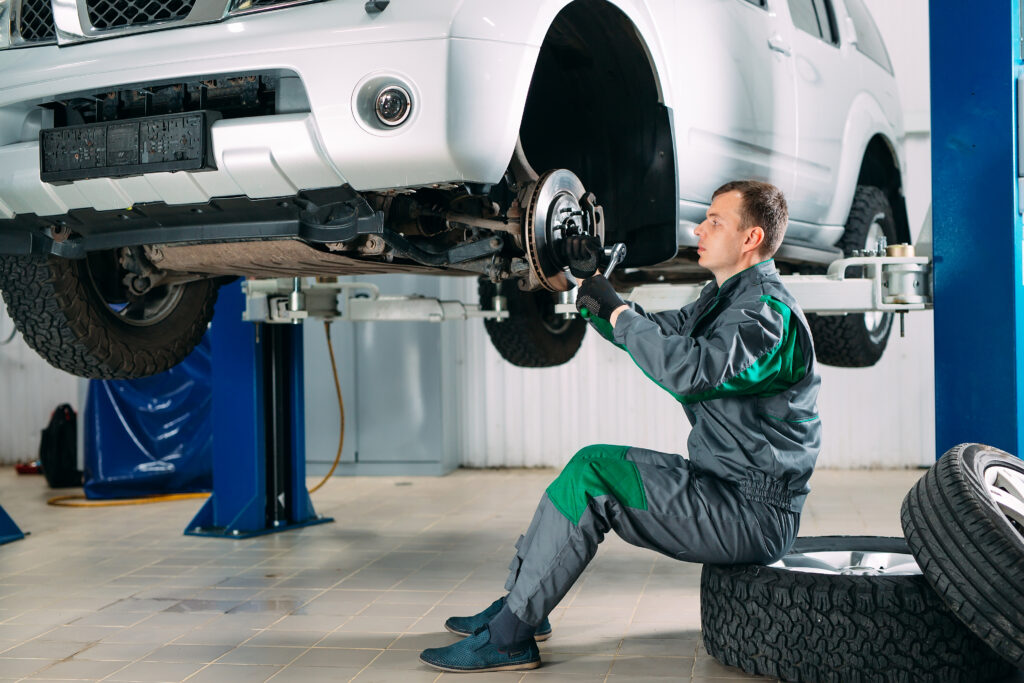
A thorough brake service typically consists of a complete inspection of all key components, including:
- Brake pad thickness
- Rotor condition and thickness
- Caliper operation
- Brake fluid condition
- Brake lines and hoses
- Hydraulic system performance
Based on findings, a technician may recommend:
- Brake pad replacement
- Rotor resurfacing or replacement
- Caliper replacement or repair
- Brake fluid flush
- Hoses or line replacement
This comprehensive approach ensures that every element of the braking system is functioning properly, preventing small issues from turning into costly repairs while maintaining maximum stopping power.
Why Delaying Brake Service Is Expensive
Waiting too long to repair or replace brakes can lead to:
- Severe rotor damage
- Caliper or piston failure
- Increased repair costs
- Reduced stopping efficiency
- Risk of brake system failure
Timely replacement of brake pads and other components is much more affordable than waiting for full system failure. By addressing issues early, you protect your vehicle and maintain the safety of everyone on the road.
How Often Should You Replace Your Brakes?
Brake pad lifespan varies based on driving habits, vehicle type, and the environment:
- Typical replacement interval: 30,000–70,000 miles
- Heavy city driving, towing, or stop-and-go traffic wears pads faster
Regular inspections are essential to determine whether pads or other components need replacement, ensuring your brakes always perform reliably.
FAQs
How long do brake pads last in North Texas?
Most brake pads last between 30,000–60,000 miles, depending on driving conditions and habits.
Why does my steering wheel shake when braking?
Vibrations typically indicate warped rotors or uneven brake wear.
Can I drive with squeaky brakes?
It’s not recommended. The squeal is a warning that pads are wearing and should be replaced soon.
Do front brakes wear faster than rear brakes?
Yes. Most vehicles rely on front brakes for the majority of stopping power, causing faster wear.
How long does brake service take?
Brake repair or replacement generally takes 1–2 hours, depending on the extent of work needed.
Need Reliable Brake Service You Can Trust?
If your brakes are showing signs of wear or it’s been a while since your last inspection, don’t wait until it’s too late. The team at A&O Auto Care provides honest, professional brake repair and replacement services for drivers in Pottsboro, Denison, Sherman, and surrounding areas. We’ll inspect your braking system, identify issues, and perform the repairs needed to keep you safe on the road.
Call 903-419-2356 today to schedule your brake service and drive with confidence again.